![[TL-X]0227_BI.ai (1).png](https://static.wixstatic.com/media/7f6c4e_ddce4c58dcce43659fa30c346bc77a2c~mv2.png/v1/fill/w_245,h_49,al_c,q_85,usm_0.66_1.00_0.01,enc_avif,quality_auto/7f6c4e_ddce4c58dcce43659fa30c346bc77a2c~mv2.png)
How Fire Suppression Works: TL-X's Guide to Fire Safety & Protection
- TL-X

- Aug 20
- 4 min read
Fire is one of the most dangerous hazards in homes, workplaces, and public spaces. It can cause severe damage, injuries, and even loss of life. Thankfully, modern technology has developed advanced methods to detect and control fires quickly and effectively. Understanding how fire suppression works is essential to appreciating the safety measures that protect us every day.
Fire suppression systems are designed to detect fires early and either extinguish them or control their spread until firefighters arrive. These systems are installed in various settings, from commercial kitchens to data centers, ensuring safety and minimizing damage. This article explores the mechanisms behind fire suppression, the types of systems available, and practical tips for maintaining safety.
How Fire Suppression Works: The Basics
Fire suppression systems operate by interrupting the fire triangle, which consists of heat, fuel, and oxygen. Removing or reducing any of these elements can stop a fire from growing. Most systems use a combination of detection and suppression methods to achieve this.
The process begins with fire detection. Sensors monitor for smoke, heat, or flames. Once a fire is detected, the system activates suppression agents that cool the fire, remove oxygen, or chemically interrupt the combustion process.
For example, sprinkler systems release water to cool the flames and surrounding materials. Other systems might use gases or chemical agents that displace oxygen or inhibit the chemical reactions sustaining the fire.
Early detection and rapid response are critical. The faster a fire suppression system activates, the less damage occurs, and the safer occupants remain.

Why Fire Suppression Systems Are Essential
Fire suppression systems provide several key benefits that make them indispensable in many environments:
Life Safety: They reduce the risk of injury or death by controlling fires before they spread.
Property Protection: Early suppression limits fire damage to buildings and valuable equipment.
Business Continuity: Minimizing fire damage helps businesses resume operations faster.
Compliance: Many local and national fire codes require fire suppression systems in certain buildings.
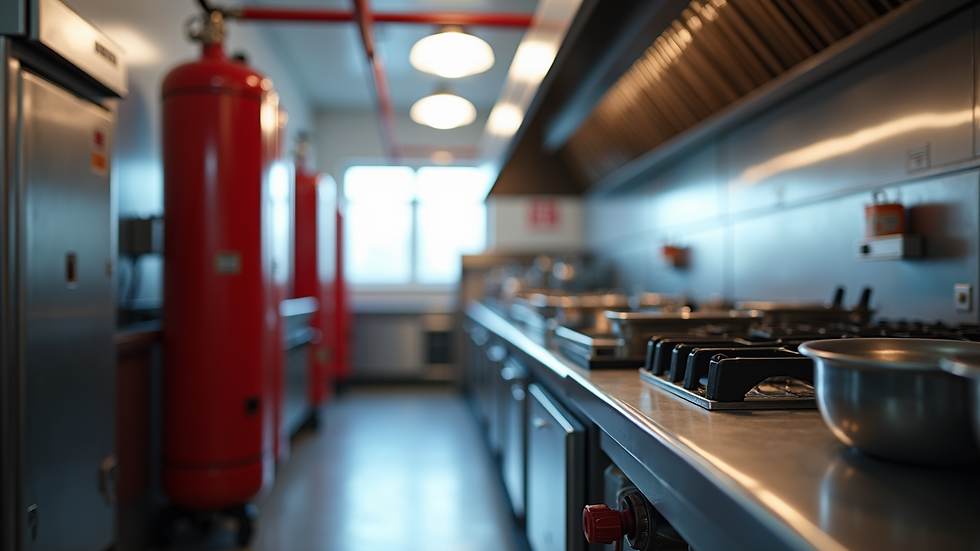
For example, commercial kitchens often use specialized suppression systems that release wet chemicals to quickly extinguish grease fires. Data centers rely on clean agent systems that suppress fires without damaging sensitive electronics.
Investing in fire suppression technology is a proactive step toward safety and risk management.
What are the different types of fire suppression systems?
There are several types of fire suppression systems, each suited to different environments and fire risks. Understanding these options helps in selecting the right system for a specific application.
1. Water-Based Systems
Sprinkler Systems: The most common type, sprinklers release water when heat activates a fusible link or glass bulb.
Deluge Systems: These release water over a large area quickly, used in high-hazard locations.
2. Chemical-Based Systems
Wet Chemical Systems: Designed for kitchen fires, these systems spray a chemical agent that cools and forms a barrier to prevent re-ignition.
Dry Chemical Systems: These release powders that interrupt the chemical reaction of fire.
3. Gaseous Systems
Clean Agent Systems: Use inert gases or chemical agents that suppress fire without leaving residue, ideal for protecting electronics.
Carbon Dioxide Systems: Displace oxygen to suffocate the fire, commonly used in industrial settings.
4. Foam Systems
Used primarily for flammable liquid fires, foam blankets the fuel surface to prevent vapor release and extinguish flames.
Each system has unique advantages and limitations. For example, water-based systems are effective and economical but can damage electronics. Gaseous systems protect sensitive equipment but require airtight spaces to be effective.
How to Maintain and Test Fire Suppression Systems
Proper maintenance is crucial to ensure fire suppression systems function correctly when needed. Here are some practical recommendations:
Regular Inspections: Conduct visual checks monthly to ensure no damage or obstructions.
Professional Testing: Have certified technicians perform annual tests and maintenance.
Sensor Calibration: Ensure smoke and heat detectors are calibrated and functioning.
Agent Replenishment: Replace or refill suppression agents after use or as recommended.
System Upgrades: Update systems to comply with the latest safety standards and technologies.
Building managers and homeowners should keep detailed records of inspections and maintenance activities. Training occupants on how the system works and what to do during activation is also essential.
The Future of Fire Suppression Technology
Advancements in fire suppression technology continue to improve safety and efficiency. Innovations include:
Smart Detection Systems: Using AI and IoT to detect fires faster and reduce false alarms.
Environmentally Friendly Agents: Developing suppression agents that are safe for people and the environment.
Integrated Safety Solutions: Combining fire suppression with building automation for coordinated emergency responses.
These developments promise to make fire suppression systems more reliable and adaptable to various settings.

Fire suppression systems are a vital part of modern safety infrastructure. By understanding how fire suppression works and the options available, individuals and organizations can make informed decisions to protect lives and property. Investing in and maintaining these systems is a smart strategy for reducing fire risks and enhancing overall safety.
For more detailed information on advanced fire suppression solutions, visit fire suppression technology.


Comments