![[TL-X]0227_BI.ai (1).png](https://static.wixstatic.com/media/7f6c4e_ddce4c58dcce43659fa30c346bc77a2c~mv2.png/v1/fill/w_245,h_49,al_c,q_85,usm_0.66_1.00_0.01,enc_avif,quality_auto/7f6c4e_ddce4c58dcce43659fa30c346bc77a2c~mv2.png)
Understanding Thermal Runaway Causes in Batteries
- TL-X

- Oct 9
- 4 min read
In the fast-evolving world of battery technology, understanding the risks associated with battery operation is crucial. One of the most critical and potentially dangerous phenomena is thermal runaway in batteries. This process can lead to catastrophic failures, fires, or explosions if not properly managed. As someone deeply involved in cutting-edge technology startups, I want to share insights into what causes thermal runaway, how it starts, and what we can do to prevent it.
What Is Thermal Runaway in Batteries?
Thermal runaway in batteries refers to a self-accelerating reaction within a battery cell that causes a rapid increase in temperature and pressure. This reaction can quickly spiral out of control, damaging the battery and potentially causing fires or explosions. It is a significant concern in lithium-ion batteries, which are widely used in electric vehicles, portable electronics, and energy storage systems.
The process begins when the battery's internal temperature rises beyond a critical point. This rise can be triggered by various factors such as mechanical damage, electrical faults, or external heat sources. Once the temperature reaches a threshold, the battery's internal chemical reactions accelerate, generating more heat and further increasing the temperature. This feedback loop can lead to thermal runaway.
Understanding the mechanisms behind thermal runaway is essential for designing safer batteries and implementing effective safety measures.

Exploring Thermal Runaway in Batteries: Key Factors and Mechanisms
Thermal runaway in batteries is influenced by several factors that interact in complex ways. Here are some of the primary contributors:
1. Internal Short Circuits
Internal short circuits occur when the separator between the battery's anode and cathode fails. This failure can be caused by manufacturing defects, mechanical damage, or dendrite growth (tiny lithium metal filaments). When a short circuit happens, it creates a direct path for current flow, generating intense heat inside the cell.
2. Overcharging and Overheating
Charging a battery beyond its recommended voltage or current limits can cause excessive heat generation. Overcharging stresses the battery's chemical components, leading to decomposition and gas release. Similarly, exposure to high external temperatures can raise the battery's internal temperature, pushing it closer to thermal runaway conditions.
3. Mechanical Damage
Physical impacts, punctures, or crushing can damage the battery's internal structure. This damage may cause internal short circuits or expose reactive materials to air, increasing the risk of thermal runaway.
4. Manufacturing Defects
Poor quality control during battery production can introduce impurities, uneven electrode coatings, or weak separators. These defects increase the likelihood of internal shorts and thermal instability.
5. Rapid Discharge or High Current Loads
Drawing excessive current from a battery, such as during a short circuit or heavy load, can cause localized heating. This heat can trigger thermal runaway if not properly managed.
By understanding these factors, engineers and manufacturers can develop strategies to minimize risks and improve battery safety.

At What Temperature Does Thermal Runaway Start?
The temperature at which thermal runaway starts varies depending on the battery chemistry and design. For lithium-ion batteries, thermal runaway typically begins around 150°C to 200°C (302°F to 392°F). However, this range can shift based on factors such as:
Battery composition (e.g., cathode and electrolyte materials)
State of charge
Age and condition of the battery
External environmental conditions
At these elevated temperatures, the electrolyte can decompose, releasing flammable gases. The separator may melt, causing internal short circuits. The exothermic reactions within the battery accelerate, creating a dangerous feedback loop.
It's important to note that thermal runaway can be triggered at lower temperatures if the battery is damaged or improperly handled. Therefore, maintaining proper operating conditions and monitoring battery health are critical.
How to Prevent Thermal Runaway: Practical Recommendations
Preventing thermal runaway requires a multi-faceted approach involving design, manufacturing, and operational practices. Here are some actionable recommendations:
1. Use High-Quality Materials and Manufacturing Processes
Ensure strict quality control to avoid defects.
Use advanced separators that resist punctures and high temperatures.
Incorporate flame-retardant electrolytes to reduce flammability.
2. Implement Battery Management Systems (BMS)
Use BMS to monitor voltage, current, and temperature in real-time.
Program BMS to cut off charging or discharging if unsafe conditions are detected.
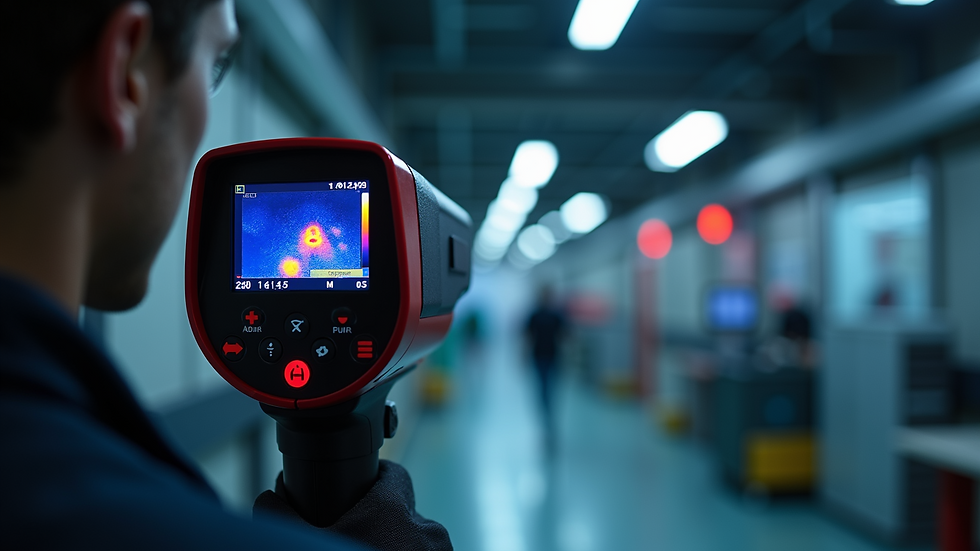
Include thermal sensors to detect early signs of overheating.
3. Design for Thermal Management
Integrate cooling systems such as liquid cooling or heat sinks.
Optimize battery pack layout to improve heat dissipation.
Use phase change materials to absorb excess heat.
4. Avoid Overcharging and Deep Discharging
Follow manufacturer guidelines for charging rates and voltage limits.
Use chargers with built-in safety features.
Educate users on proper battery handling and charging habits.
5. Protect Against Mechanical Damage
Design robust battery enclosures.
Avoid exposing batteries to impacts, punctures, or crushing forces.
Use protective packaging during transport and storage.
6. Regular Inspection and Maintenance
Periodically check battery health and performance.
Replace batteries showing signs of swelling, leakage, or damage.
Use diagnostic tools to detect internal faults early.
By combining these strategies, we can significantly reduce the risk of thermal runaway and enhance battery safety.
The Future of Battery Safety: Innovations and Emerging Technologies
As battery technology advances, new materials and designs are emerging to tackle the challenges of thermal runaway. Some promising developments include:
Solid-State Batteries: These batteries replace liquid electrolytes with solid materials, reducing flammability and improving thermal stability.
Advanced Electrolytes: Research into non-flammable and thermally stable electrolytes aims to minimize heat generation during failure.
Smart Battery Systems: Integration of AI and IoT technologies enables predictive maintenance and real-time risk assessment.
Improved Separator Technologies: New separators with enhanced thermal resistance and self-healing properties are under development.
These innovations promise to make batteries safer and more reliable, supporting the growing demand for energy storage in electric vehicles, renewable energy, and portable electronics.
For a deeper understanding of thermal runaway causes and the latest technological solutions, I recommend exploring specialized resources and industry research.
Understanding the complexities of thermal runaway in batteries is essential for anyone working with or relying on battery-powered technology. By recognizing the causes, monitoring critical parameters, and adopting best practices, we can prevent dangerous incidents and push the boundaries of battery innovation safely.


Comments